
Quick Summary: Police misconduct cases require immediate action because evidence like body camera footage can disappear quickly and Florida law imposes strict filing deadlines. You should document every detail of your encounter and exercise your right to remain silent until you consult an attorney. The Law Offices of John Olea, P.A. provides local representation in Palm Beach and Broward Counties to help clients navigate these complex civil and criminal matters.
Aggressive or unlawful actions by law enforcement can change your life in a moment. Many people are left wondering whether the system protects them or works against them. If you have been hurt, threatened, or wrongly charged, you have rights, and Florida law gives you ways to act on them.
The problem is that most victims of law enforcement misconduct do not know where to start. Evidence disappears fast. Deadlines are short. Officers and agencies rarely admit fault on their own.
This guide explains what counts as police misconduct, what proof you need, and how a police misconduct lawyer can help you file a complaint or a civil claim. It also covers when a police brutality attorney is worth hiring and what your case may be worth.
The Law Offices of John Olea, P.A. defends clients across Palm Beach and Broward Counties, so we know how these cases play out locally.
Identifying Common Forms of Police Misconduct
Misconduct is not always obvious. Sometimes it leaves bruises. Other times it shows up as a search that never should have happened. Knowing what counts as misconduct helps you decide when to act. A police misconduct lawyer can review the facts and tell you whether your rights were violated under Florida or federal law.
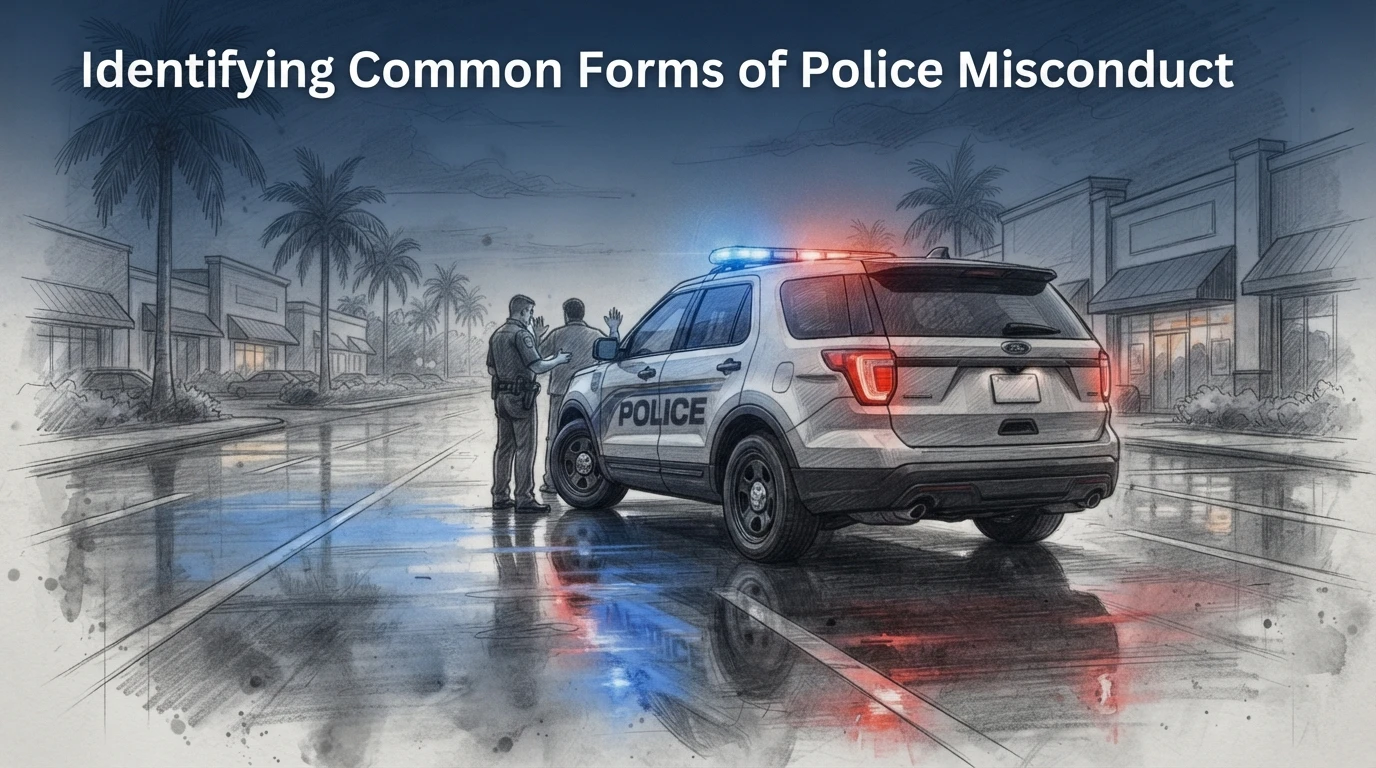
Excessive Force and Police Brutality
Officers may use only the force a situation reasonably requires. When they go beyond that, the conduct becomes excessive force. Examples include strikes after a person is restrained, chokeholds on a compliant suspect, or a Taser used without cause.
Courts judge these cases by the totality of the circumstances: how serious the crime was, whether you posed a threat, and whether you resisted or tried to flee. That means the same amount of force can be lawful in one situation and brutal in another.
Signs your case may qualify include injuries documented in medical records, video of the encounter, or witnesses who saw the incident. Preserve everything. A police misconduct lawyer can demand body camera footage before it is deleted, which often happens quickly.
Warning: Florida has short deadlines for claims against law enforcement agencies. Waiting months to consult a police misconduct lawyer can cost you the right to file at all.
Constitutional Violations and Unlawful Searches
The Fourth Amendment protects you from unreasonable searches and seizures. An officer generally needs a warrant or a valid exception, such as your consent or clear evidence in plain view. A search of your car, home, or phone without either may be unlawful.
Other common violations include stops without reasonable suspicion, arrests without probable cause, and retaliation for recording police in public. If evidence was gathered illegally, your defense attorney can ask the court to suppress it, and a separate civil claim may follow.
Keep a written record right away: names, badge numbers, times, and what was said. Details fade fast, and strong records make claims far easier to prove.
Understanding Your Legal Rights During Encounters
Most people don’t know what police can and cannot do during a stop. That confusion costs people their cases. Knowing a few core rights ahead of time changes how an encounter plays out, and how it looks later in court.
The Right to Remain Silent
The Fifth Amendment gives you the right to stay silent. Use it. Say clearly, “I am choosing to remain silent,” then stop talking. Anything you say can be used against you, and officers may legally lie during questioning to get a statement.
Politeness matters. Keep your hands visible, don’t argue at the scene, and never physically resist, even if you believe the stop is wrong. The place to challenge an officer’s conduct is in court, not on the roadside.
You also have the right to ask, “Am I free to leave?” If the answer is yes, walk away calmly. If you’re detained, ask for a lawyer immediately and then say nothing else until one is present. In Florida, a quiet, respectful suspect gives a defense attorney far more to work with than one who talked first and regretted it later.
Documenting Potential Misconduct
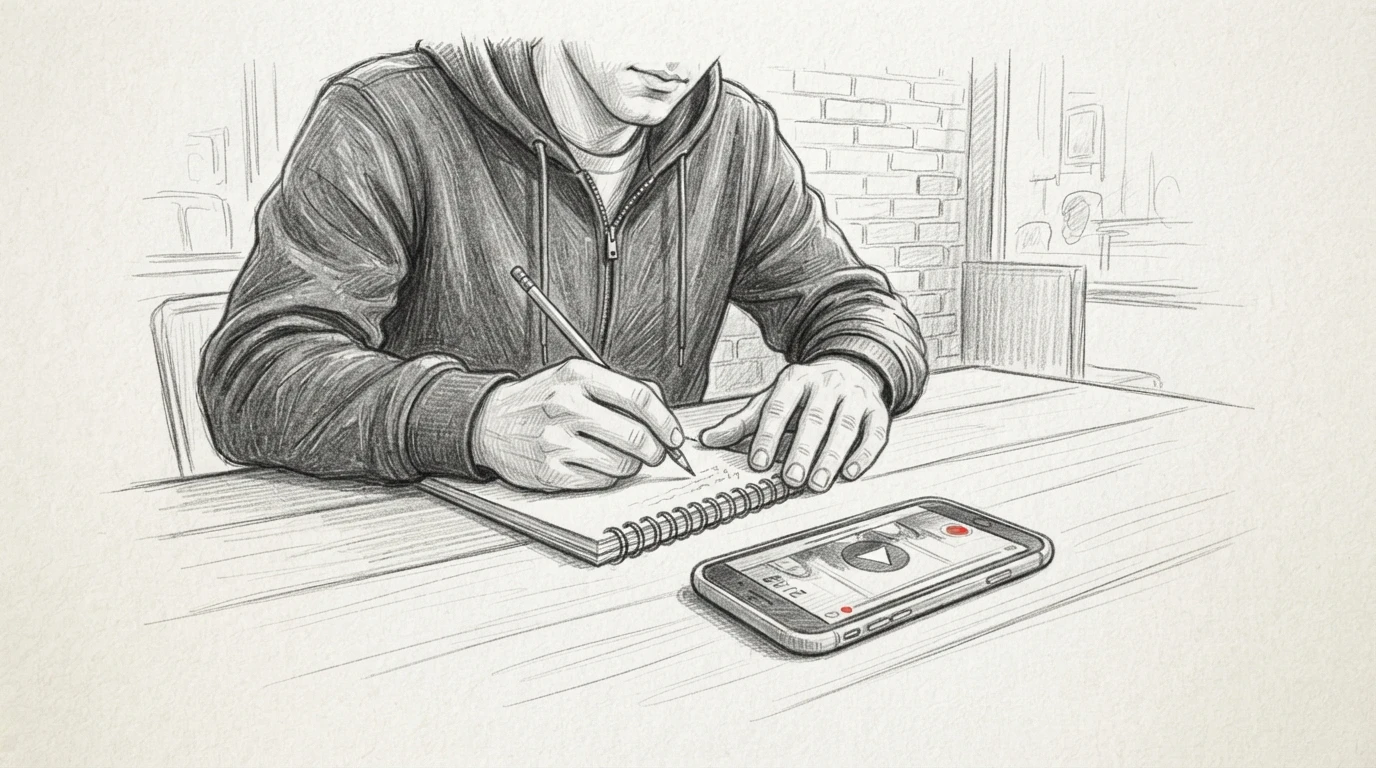
Evidence fades fast, so start building your record right away.
- Write down everything within hours: names, badge numbers, times, locations, and exact words used.
- Get witnesses. Collect names and phone numbers from anyone who saw what happened.
- Preserve video. Body cam and dash cam footage can be lost, so request it through a lawyer quickly.
- Photograph injuries or property damage and keep medical records.
A criminal defense attorney can send formal evidence requests and file complaints. If you believe your rights were violated in Palm Beach or Broward County, the Law Offices of John Olea, P.A. can review your case and explain your options.
).
Seek representation right away if you were arrested, injured, charged, or told to give a statement. Don’t wait for the criminal case to end before asking questions.
The Role of an Attorney in Misconduct Cases
An attorney does more than file paperwork. First, they evaluate whether the officer’s conduct violated your rights, because police often have qualified immunity. You must show they knew their actions were wrong, which takes legal skill to prove.
Next, your lawyer gathers and preserves evidence. Body camera footage, 911 calls, and witness accounts can disappear, so early action protects your claim. Your attorney also handles notice requirements, files the correct claims in the correct court, and deals with government insurers who try to settle low.
If you also face criminal charges, one counsel can defend that case while protecting your civil claim, so statements made in one case don’t harm the other. That coordination matters in Palm Beach and Broward courts, where local procedure shapes outcomes.
Can John Olea Represent You in a Case?
Yes, if your case sits within criminal defense, DUI, or traffic violations in Palm Beach or Broward County. John Olea handles these matters directly, and the firm’s whole practice is built around them. That focus matters. A lawyer who defends these cases every week knows the local judges, prosecutors, and court procedures, and that familiarity can shape how your case moves.
Local Advocacy in Palm Beach and Broward
Location affects outcomes more than most people expect. Courts in West Palm Beach, Fort Lauderdale, and the smaller courthouses in between each run their cases a little differently. An attorney who appears in these courtrooms regularly understands the local calendars, the filing rules, and the people across the table. That knowledge helps him spot problems early and push for faster, better resolutions.
The firm represents clients across the region, from Palm Beach Gardens to Jupiter and south through Broward. Whether you were stopped on I-95, charged after an arrest in Palm Beach County, or face a license suspension, the defense strategy starts with the same step: a careful review of what actually happened. Police reports, dashcam footage, and breath test records all get examined before any advice is given.
You should also expect clear, personal attention. The firm treats each client’s case as its own matter, not a file number. That means honest answers about your options, the likely outcomes, and the cost, along with ethical handling at every stage.
If you believe police misconduct played a role in your arrest, say so early. Those claims need evidence gathered quickly, and a local attorney can act on them while the record is still fresh.
If police misconduct violated your rights, you do not have to face the system alone. Talk to John Olea about your case and get honest answers about your options. Contact the Law Offices of John Olea, P.A. today.
Frequently Asked Questions
Q1: What are my legal rights if I experience police misconduct?
You can remain silent, refuse a search without a warrant, and record police in public. Document everything, then speak with an attorney before filing a complaint or lawsuit.
Q2: What constitutes a civil rights violation by law enforcement?
Excessive force, false arrest, illegal searches, and retaliation for protected speech may violate your constitutional rights. The misconduct must involve serious abuse of police power, not just rude behavior.
Q3: Can John Olea represent me in a police misconduct case?
Yes. The Law Offices of John Olea, P.A. represents clients across Palm Beach and Broward Counties, offering personalized guidance on misconduct claims and related criminal matters.
Q4: How long do I have to file a claim?
Florida deadlines are short, often just a few years, and sometimes less for government claims. Contact an attorney quickly.
Q5: Should I file a police complaint first?
A complaint creates a record, but it doesn’t replace a lawsuit. Talk to a lawyer before submitting anything that could affect your claim.
Protecting Your Future with Experienced Counsel
Police misconduct cases rise or fall on evidence and deadlines. Document everything, get medical care for injuries, request body camera footage early, and avoid signing statements before you understand them. Florida law sets strict notice rules for claims against a government agency, so waiting can cost you the right to file.
You also keep rights during any police encounter: the right to stay silent and the right to a lawyer. Using them is not an admission of guilt.
These cases are complex, local knowledge matters, and the outcome often depends on acting fast. An attorney who works daily in Palm Beach and Broward County courts knows how local agencies respond and which records to demand.
If you believe your rights were violated, talk to a lawyer who handles both the criminal charges and the civil claim. The two tracks connect, and handling them together protects your future.